Red-Sea-2.jpg

April 3, 2026 foasummit0

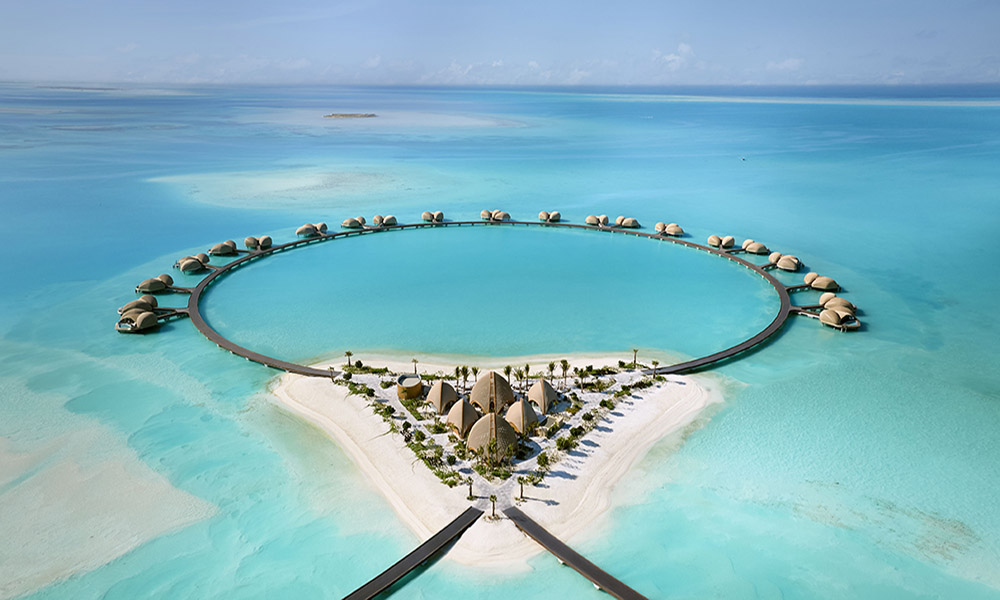
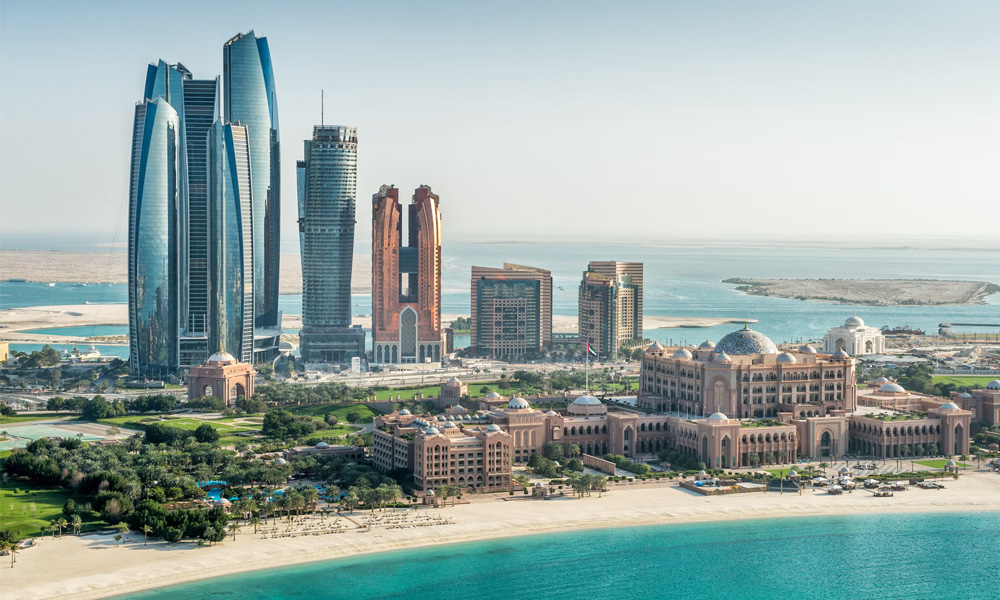
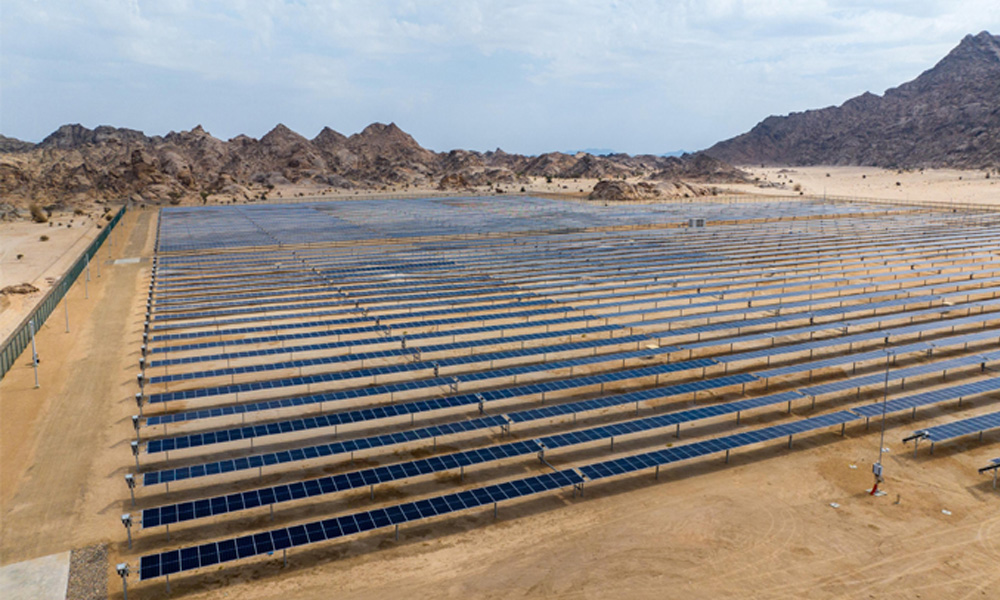
Red Sea Global (RSG) has achieved a sustainability milestone with The Red Sea becoming the first destination in the Kingdom to receive EarthCheck’s Sustainable Destinations certification.

The globally recognised certification is awarded to destinations that demonstrate leadership in sustainable tourism, assessing not only individual assets but the environmental, social, and economic performance of the entire destination.

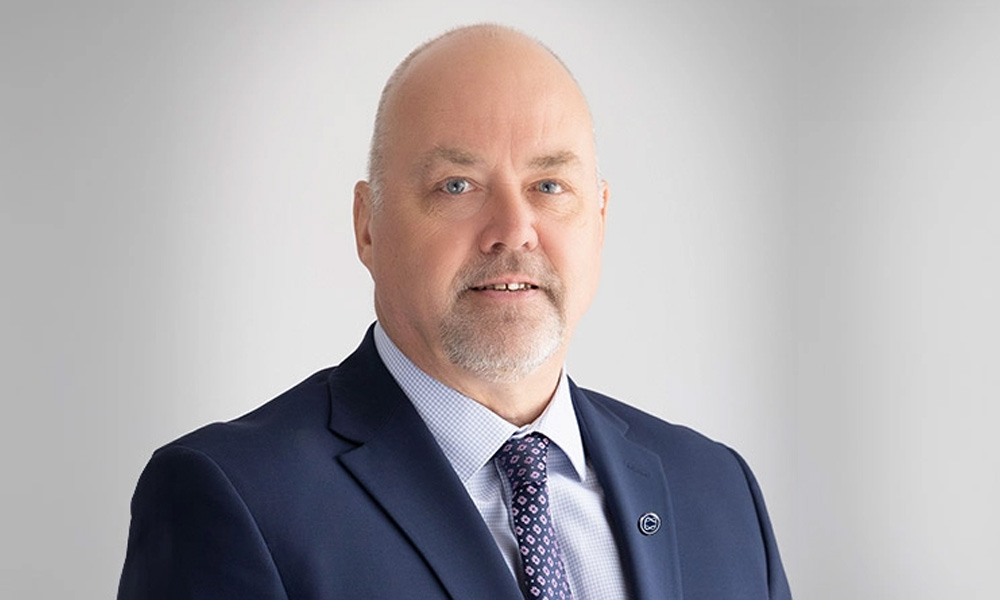
Stewart Moore, CEO and Founder, EarthCheck said, “RSG is recognised as a pioneer in regenerative tourism. Through our audit of The Red Sea destination, we have seen this commitment clearly in action. We were also encouraged by the breadth of initiatives that go well beyond compliance including the rescue and protection of marine turtles in the Red Sea, and strong, practical support for economic opportunities in local communities. Alongside this, becoming the world’s largest destination powered by renewable energy is a remarkable achievement. Together, these efforts make The Red Sea a standout example within EarthCheck’s Sustainable Destinations programme.”

Raed Albasseet, Group Chief Environment and Sustainability Officer, Red Sea Global said, “The EarthCheck Sustainable Destinations programme is recognised worldwide for its rigorous, science-backed process. Achieving this certification demonstrates our commitment to setting new global benchmarks and confirms that our approach is delivering real, measurable impact for people and the planet.”

Every aspect of The Red Sea from design and operations to conservation efforts and community impact has been independently evaluated by third-party auditors, said a statement.

In its report, EarthCheck highlighted several areas where RSG is outperforming global best-practice benchmarks. These include strong performance in energy efficiency and greenhouse gas emissions, supported by the developer’s commitment to powering the destination with renewable energy around the clock.

The destination’s water conservation measures also stood out, with minimal irrigation requirements for landscaping contributing to significant savings. Additionally, waste management practices were recognised, with levels of waste sent to landfill found to be nearly 75% better than EarthCheck’s best-practice benchmark.

Beyond environmental performance, the audit emphasised initiatives aimed at supporting local communities. These include upskilling and education programmes such as the English for Tourism Programme, designed to equip residents with skills for careers in the tourism sector.

EarthCheck also noted the impact of RSG’s Jewar app, a 2-way communication platform that connects residents with job opportunities, events, and community programmes, while also enabling them to share feedback and perspectives.

The post The Red Sea earns EarthCheck’s Sustainable Destinations certification in Saudi Arabia appeared first on Middle East Construction News.

Source: ME Construction News


AMWAJ-1.jpg

April 3, 2026 foasummit0

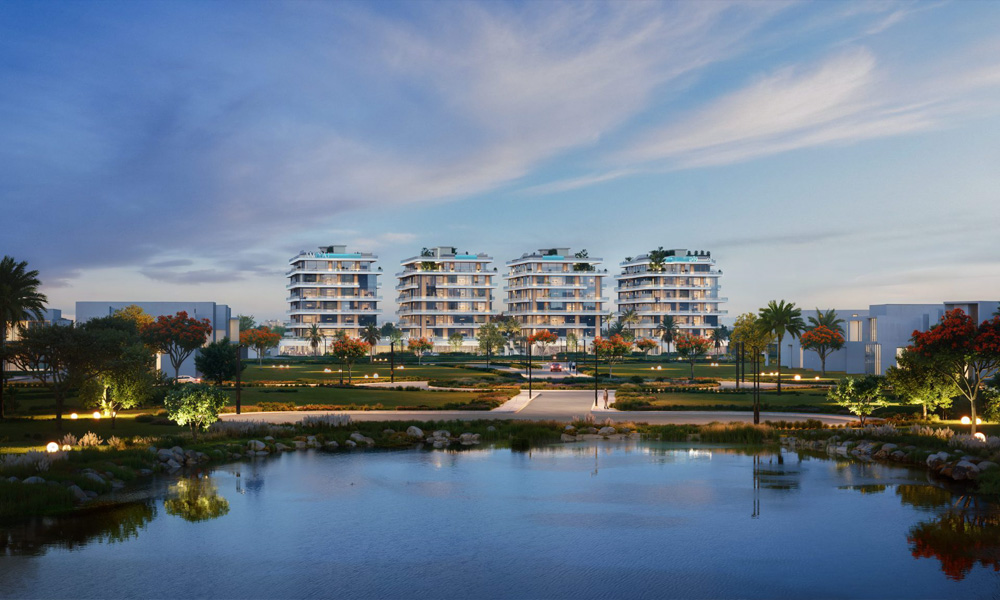
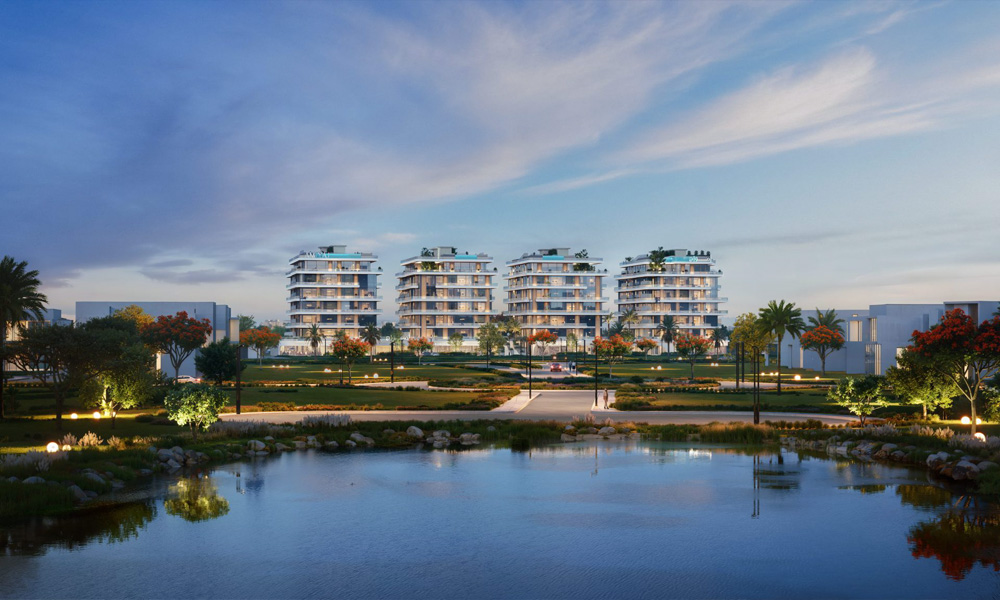
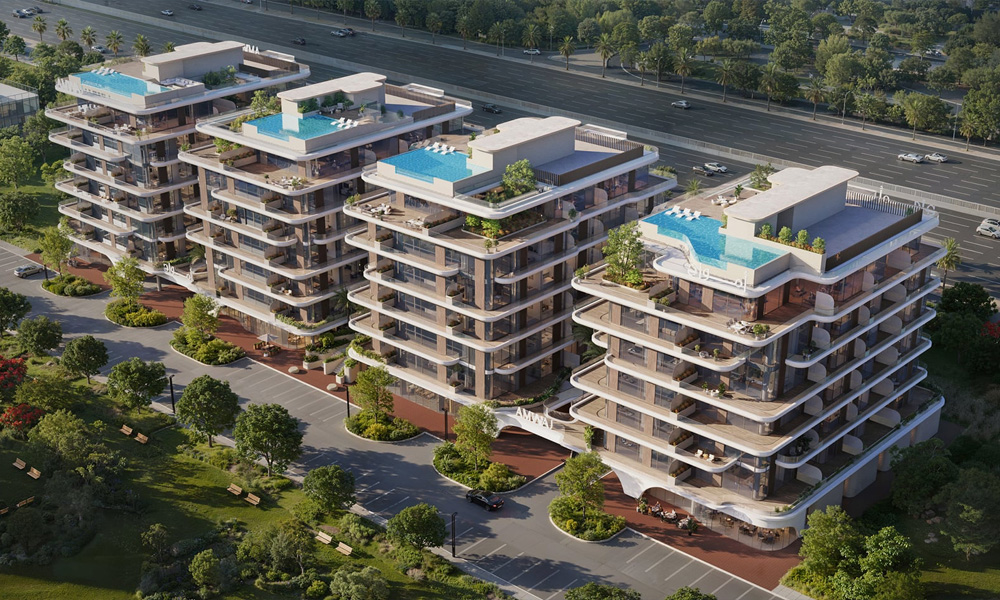
AMWAJ Development has commenced construction on Gate 11, a premium residential development located in MBR District 11, Meydan, marking a key milestone in the company’s growing portfolio of upscale communities.

The project has already achieved market traction, with 85% of units sold prior to the start of full construction. Scheduled for completion in Q1 2028, Gate 11 is now moving into an accelerated development phase.

“At AMWAJ, progress is never incidental. What appears onsite is the result of months of disciplined planning, technical coordination, and execution readiness,” said Emad Saleh, Founder and Chairman. “We work around clear milestones, measurable accountability, and strong governance to ensure every commitment is delivered with integrity, consistency, and long-term value.”

“Our financial strategy ensures efficient project execution,” added Hassan Hijazi, CFO. “Through careful capital planning, contractor cost management, and ongoing oversight, we aim to maintain stability while delivering against our milestones.”

“Breaking ground is not symbolic for us; it reflects readiness,” said Murad Saleh, CEO. “Our teams have planned every milestone ahead, aligned resources, and established execution controls to maintain momentum from day one and protect timelines.”

Strategically located just minutes from Downtown Dubai, the development is set within a landscape of lagoons and green spaces. Gate 11 forms part of AMWAJ’s broader pipeline, which is expected to deliver more than 2.5m sqft of premium residential space by 2026, reinforcing the company’s focus on design-led and community-centric developments.

The development will offer a mix of 1- and 2-bedroom residences, featuring modern layouts, quality finishes, and integrated smart-home technology. Residents will also benefit from a wide range of lifestyle amenities, including an infinity pool, gym, yoga studio, children’s facilities, gaming and boxing studios, as well as retail offerings such as a café, market, and wellness centre.


RTA-2-1.jpg

April 3, 2026 foasummit0

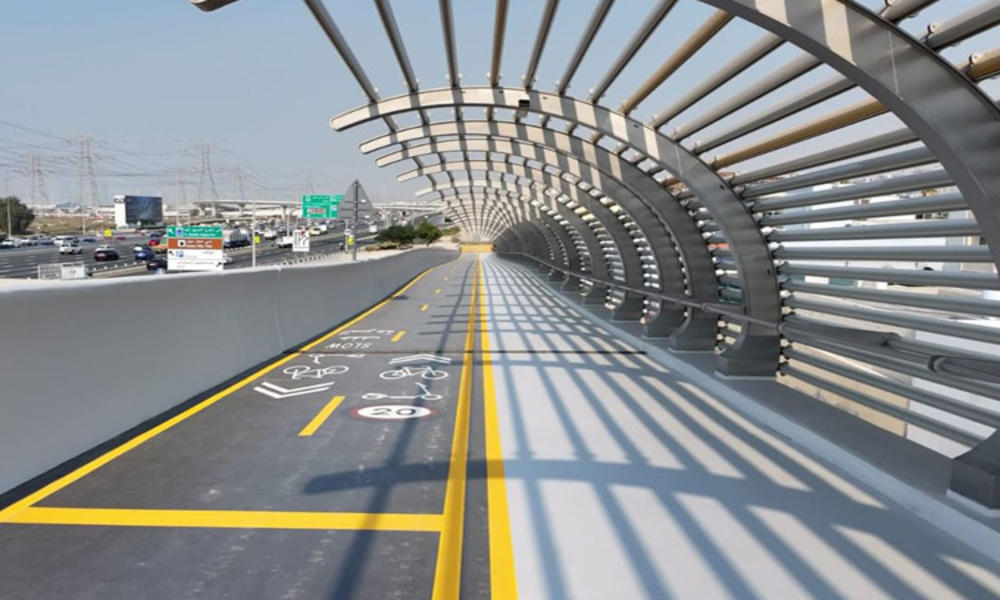
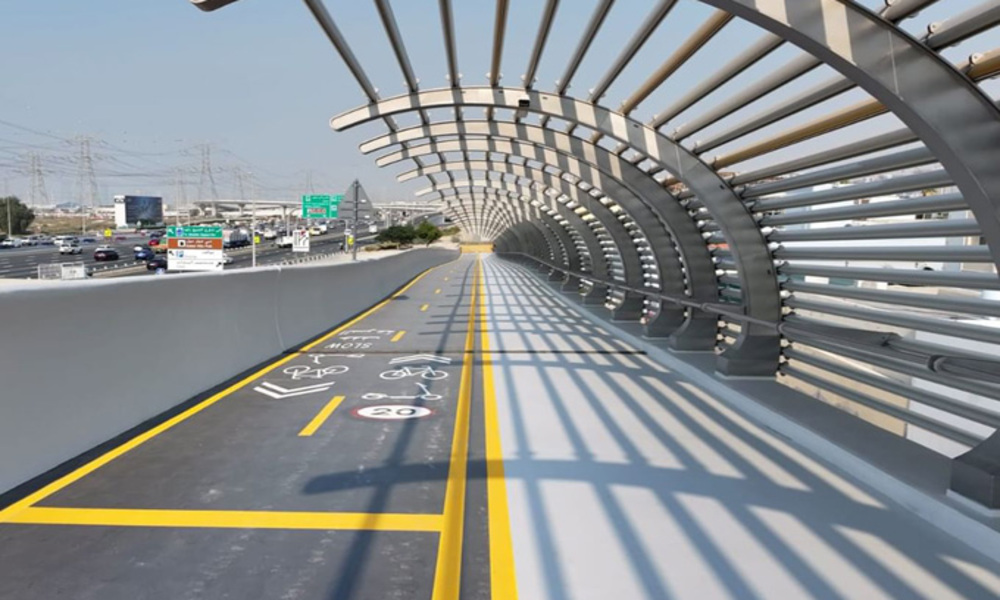
RTA has announced it has completed 13 cycling tracks as part of a masterplan encompassing 15 tracks across various areas of the emirate, with a total length of 162km.

The project provides an integrated cycling network linking existing tracks from Al Khawaneej to Al Mamzar Beach, from Al Warqa’a to Saih Al Salam, and from Dubai International Financial Centre (DIFC) to Jumeirah.

The completed projects include the delivery of cycling tracks across multiple areas of Dubai, including Al Khawaneej 2 and Al Barsha 2 as part of the Model Residential Neighbourhoods Project, with a total length of 18.5km — comprising 8km in Al Khawaneej 2 and 10.5km in Al Barsha 2.

The works also included a 700m long cycling track in Tolerance District, alongside the implementation of the Soft Mobility Project, which introduced targeted mobility enhancements in and around public transport stations. The project covered Al Souk Al Kabeer, Hor Al Anz, and Abu Hail, in addition to 5 key public transport stations: BurJuman, Sharaf DG, Palm Deira, Baniyas, and Burj Khalifa/Dubai Mall.

According to RTA, work is also underway to complete a series of pedestrian and cycling bridges, set to be among the largest in the emirate. These include a bridge over Sheikh Mohammed bin Zayed Road, connecting Al Khawaneej track to Al Mamzar Beach; another over Dubai–Al Ain Road, linking Saih Al Salam track with tracks in Al Warqa’a and Al Khawaneej; a bridge over Sheikh Zayed Road, connecting cycling tracks in Al Sufouh and Jumeirah with the track along Hessa Street; and a bridge over Al Khail Road, linking Dubai Hills with the cycling track along Hessa Street and Mall of the Emirates. All tracks are scheduled to be opened during the second quarter of this year.

The development of cycling tracks forms part of a comprehensive plan to expand Dubai’s cycling network to 1,000km by 2030.

The RTA’s efforts in building an integrated cycling network have strengthened Dubai’s global standing, earning the emirate a place among the world’s top 100 cycling-friendly cities in the 2025 Copenhagenize Index, making it the first city in the Middle East to achieve this distinction.

The Copenhagenize Index is a leading global benchmark for assessing cycling friendliness, based on key criteria, including infrastructure quality, cycling usage rates, corporate support, and policies related to flexible mobility.

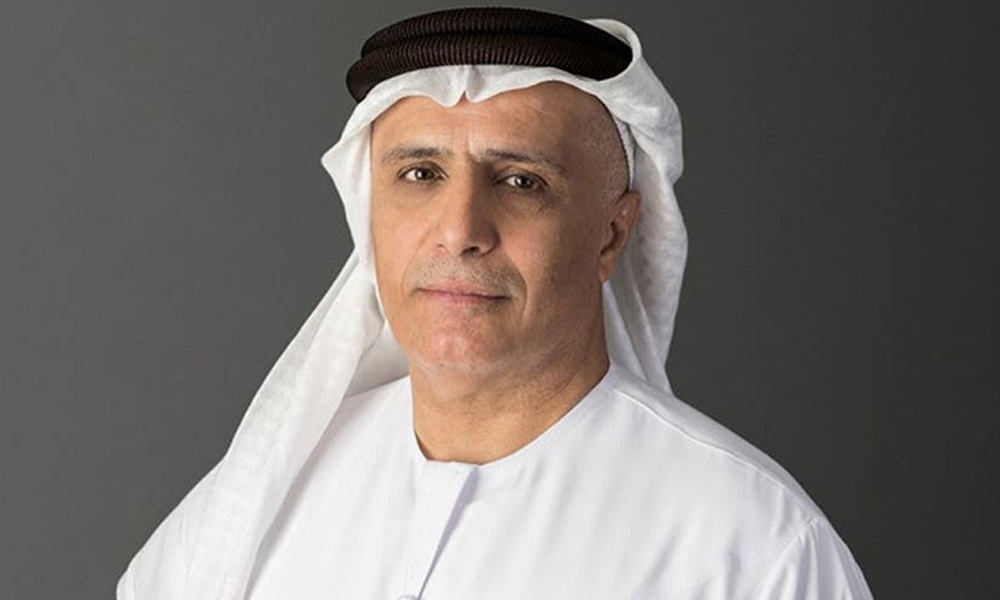
Mattar Al Tayer, Director General, RTA said the key initiative supports Dubai’s vision to become a pedestrian- and cyclist-friendly city, while enhancing quality of life and promoting the well-being of residents and visitors.

“Both existing and planned cycling tracks form an integrated network linking residential areas across the emirate with key destinations and public transport stations, encouraging the use of bicycles and other sustainable individual mobility modes for first- and last-mile journeys,” he noted.

Al Tayer pointed out that the selection of track locations was based on comprehensive field studies, taking into account population density, land use integration, proximity to major tourism and economic destinations, and connectivity with public transport hubs.

These factors contribute to improving traffic flow and enabling safe, smooth mobility for pedestrians and cyclists across Dubai’s road network, he stated.

“Dubai’s inclusion in the global Copenhagen Index marks a culmination of sustained efforts led by RTA to develop an integrated cycling network, in line with the Dubai Bicycle-Friendly Strategy, which has marked a step change in the concept of sustainable urban mobility. RTA’s initiatives have increased the total length of cycling tracks from 560km at the end of 2024 to 636km by the end of 2025, while cyclist satisfaction with cycling infrastructure in Dubai reached 85%,” he added.

The post RTA introduces 13 new cycling tracks across Dubai appeared first on Middle East Construction News.

Source: ME Construction News


Iconic-Residences-1.jpg

April 3, 2026 foasummit0

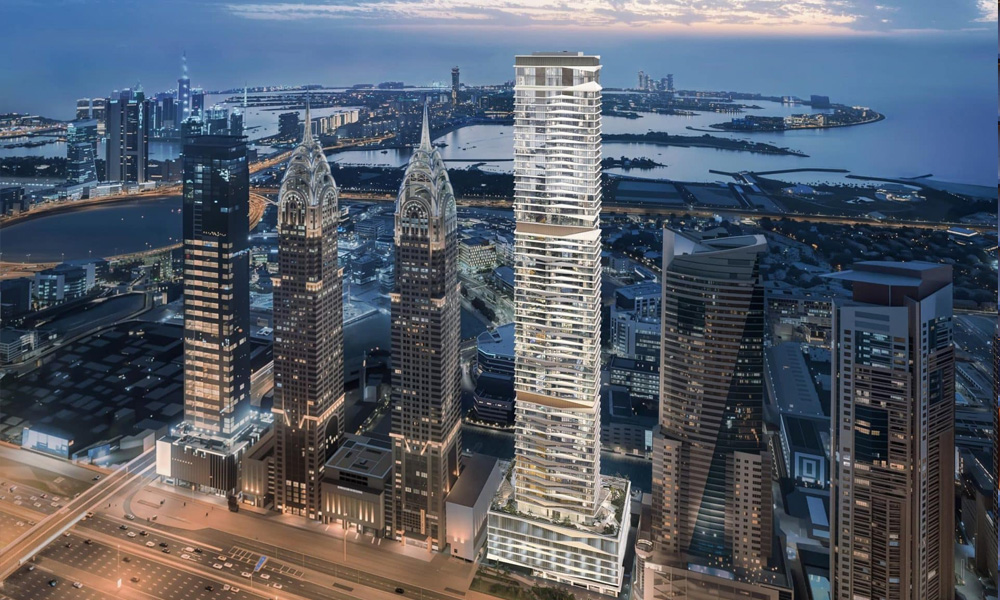
Developer MERED has announced significant progress on ICONIC Residences design by Pininfarina, one of the firm’s ultra-luxury residential projects. The update reflects steady advancement across key construction phases while reinforcing confidence in the emirate’s resilient off-plan property market.

Work on the G+66-storey tower is progressing in line with schedule, with multiple teams fully mobilised across structural works, MEP systems, interior fit-outs, and material coordination. The development continues to move forward amid a stable real estate environment, supported by government-led measures aimed at safeguarding the sector and ensuring project continuity.

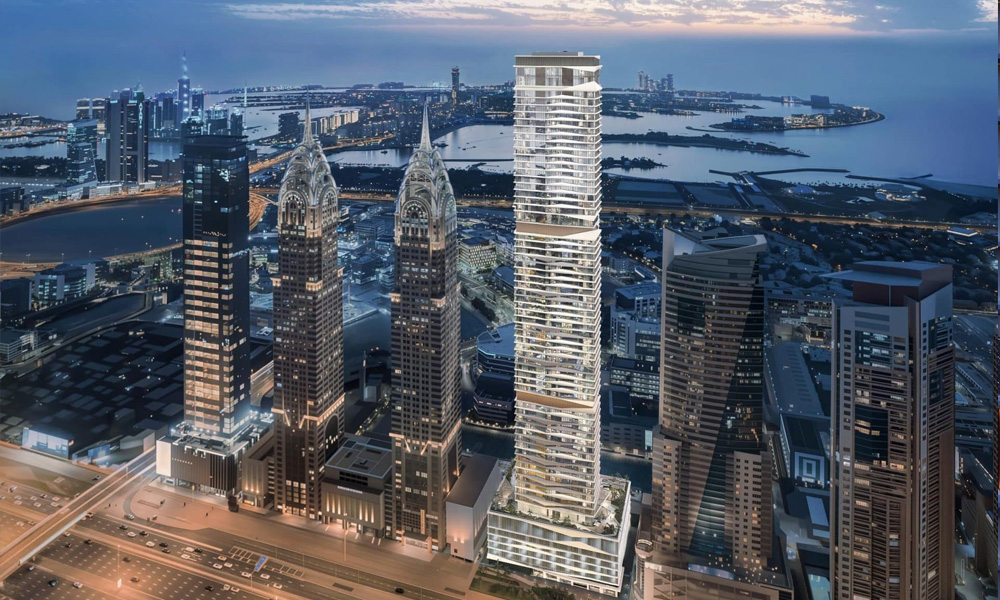
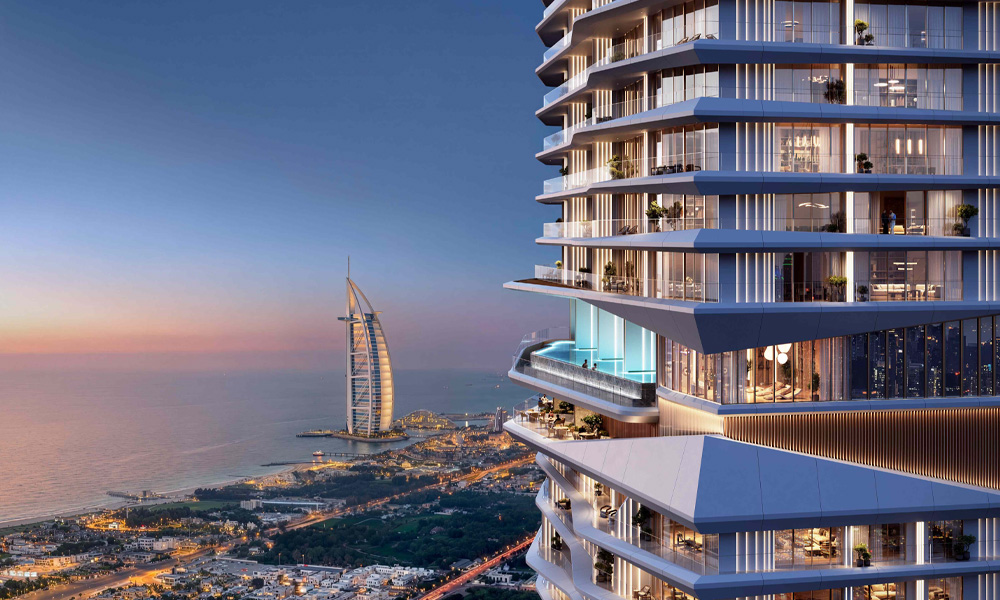
Designed by Italian design house Pininfarina, ICONIC Residences draws inspiration from Dubai’s natural landscape, blending fluid architectural lines reminiscent of sand dunes and ocean waves. The tower will feature 310 residences alongside a signature 2-level penthouse, complemented by a range of amenities including infinity pools, wellness and spa facilities, a padel court, lounges, family spaces, luxury retail outlets, and air-conditioned parking.

Strategically located, the project offers connectivity to key destinations such as the Palm Jumeirah, Dubai Harbour, Downtown Dubai, Bluewaters Island, Emirates Golf Club, and Sheikh Zayed Road, while also delivering panoramic views of the city skyline.

As of March 2026, construction has reached 125m, with works advancing at Level 22. Installation of MEP systems is underway on the first technical floor, supporting the building’s core infrastructure.

Residential units are also progressing in parallel, with coordinated efforts from engineers and contractors ensuring execution. Finishing material deliveries have been scheduled to support the next phase of interior works, while MERED’s in-house quality control team continues to monitor standards throughout the process.

“Every milestone at ICONIC Residences reflects the resilience of the UAE property market,” comments Michael Belton, CEO of MERED. “We will continue to drive the project steadily, upholding the highest standards of quality. We are grateful for the UAE government’s proactive approach in supporting a stable and resilient market, which enables developments like ICONIC Residences to progress with confidence. This tower will stand as a symbol of innovative design, architectural excellence, and the enduring strength of Dubai’s real estate sector.”

Recent measures by the UAE Central Bank to enhance liquidity and strengthen the banking sector have further supported market stability, enabling continued access to financing for buyers and developers. This has contributed to sustained momentum across Dubai’s real estate sector, particularly within the off-plan segment.

ICONIC Residences is being delivered in collaboration with a team of global  partners, including Pininfarina, Hirsch Bedner Associates (HBA), SERA Group, Currie & Brown, and Bond Interiors. With construction progressing steadily, the development remains on track for completion by Q3 2027.

The post MERED advances ICONIC Residences as Dubai’s off-plan market shows resilience appeared first on Middle East Construction News.

Source: ME Construction News


foulath-1.jpg

April 3, 2026 foasummit0

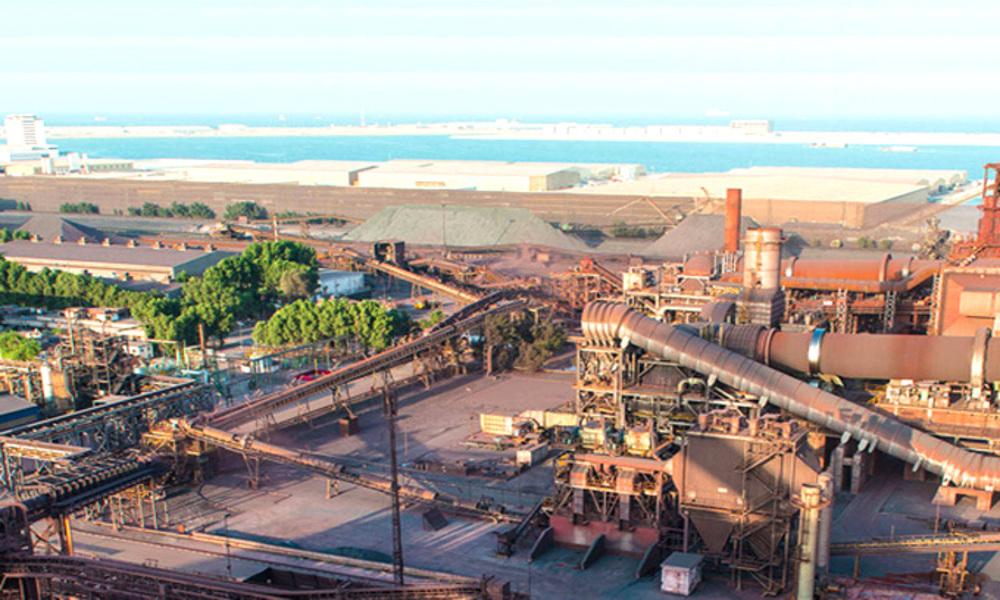
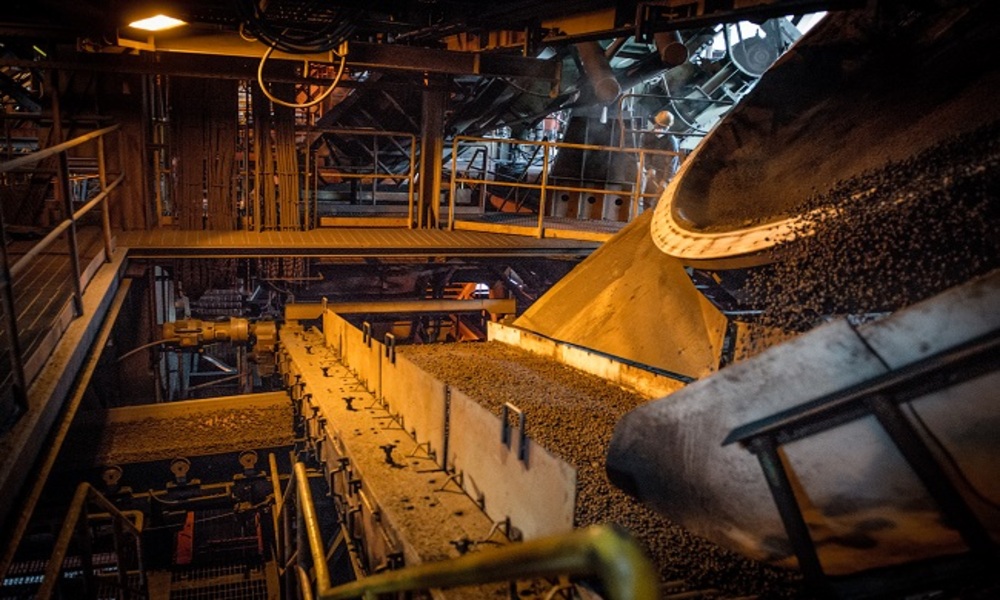
Foulath Holding, the parent company of Bahrain Steel, has announced a force majeure situation affecting certain group operations as a result of the ongoing regional conflict in the Middle East and the associated security and logistical disruptions.

The evolving situation in the region, including airspace restrictions, disruption to maritime routes, and heightened security risks, has created circumstances beyond the group’s control that have impacted operations and logistics across parts of the group’s business, said a statement from the company.

As a precautionary measure and in the interest of the safety and well-being of employees, contractors and stakeholders, the group has taken the decision to temporarily suspend certain operational activities until conditions allow for safe and secure resumption of operations, it stated.

Foulath Holding emphasised that this decision was purely precautionary and driven by safety considerations and external circumstances beyond the group’s control.

The group is closely monitoring the situation and will continue to assess developments and communicate with its customers, suppliers, partners and stakeholders as more information becomes available, the statement added.

Foulath Holding values its long-standing relationships with its stakeholders and appreciates their understanding and cooperation during this period, it concluded.

The post Foulath Holding declares force majeure appeared first on Middle East Construction News.

Source: ME Construction News


Frederico-Justus-CEO-Egis_1000x600-1.jpg

April 2, 2026 foasummit0

Entering 2026, the Middle East will be moving into a more demanding phase of development. The past decade was defined by the scale of ambition, the next will be defined by precision, performance, and long-term value.

Across the Middle East region, infrastructure and city building are no longer treated as singular headlines, they are being assessed as portfolios that must deliver mobility, productivity, resilience, and carbon reduction in parallel. That shift will be the defining story of 2026.

In line with this transition, leading delivery organisations are already reshaping their operating models. Egis, for example, exceeded its 2026 financial targets two years early, achieving $2.5bn in turnover in 2024, up 14% year-on-year, with a record $4.6bn order book and significant advances in digital transformation and climate-aligned engineering. These results underscore a regional and global pivot from scale to measurable, high‑performance outcomes.

Market momentum remains strong. Across the Middle East, infrastructure construction is forecast to grow from roughly $204bn in 2025 to about $266.7bn by 2030, equivalent to a 5.51% compound annual growth rate. In South Asia, the construction market is also expanding rapidly, valued at approximately $1.03tn in 2024 and projected to grow at a CAGR of around 5.8% through 2028. This expansion is not simply a continuation of earlier cycles, it reflects structural commitments to diversification, tourism, logistics, advanced industry, and the strategic importance of reliable infrastructure to regional competitiveness.

A similar acceleration is underway in South Asia, led primarily by India, where the infrastructure sector is estimated at about $190.7bn in 2025 and is expected to reach about $280.6bn by 2030, representing an approximately 8% compound annual growth rate.

Taken together, these trajectories reinforce a shared regional reality for 2026, infrastructure is being used not only to absorb growth, but to reshape economic models toward higher value services, deeper trade connectivity, and more resilient, climate ready urban systems. Three arenas will set the tone in 2026, mobility networks, sustainable urban development, and the energy and industry transition.

Aviation deserves a specific call out within mobility in 2026, because the region treating air transport as an economic system tied to tourism, logistics, trade, and city competitiveness. Across the GCC airport expansion, new hub strategies, and air freight capacity are increasingly linked to wider multi modal networks, free zones, and visitor economy targets.

The next phase is about operational efficiency and passenger experience as much as new terminals, with greater emphasis on digital airport management, turnaround performance, and lower carbon ground operations, all of which will shape how airports contribute to diversification goals.

Examples of this performance-led shift are visible across the region. Egis has supported the expansion of King Khalid International Airport Terminals 1 and 2 with digital and operational readiness advisory and has played a central role in Riyadh Metro – responsible for supervising the design and construction of 60% of the network, including award‑winning stations such as Qasr Al‑Hokm. The firm’s reactivation of the KAFD monorail further illustrates how mobility assets are being optimised, not only built.

Change in the air

What changes in 2026 is not the existence of these priorities, but the way governments and investors will demand that they interact. Mobility projects will increasingly be evaluated on integration and service quality rather than on size alone. Urban development will be judged by liveability, retrofit capability, and climate readiness. Energy and industry will be shaped by a dual mandate of transition and security, meaning decarbonisation must scale without compromising reliability.

Saudi Arabia is, undoubtedly, the region’s largest growth engine, but 2026 is likely to bring a sharper ordering of priorities. The Kingdom’s construction market is projected to rise from $104.8bn in 2024 to about $174.4bn by 2030, an 8.7% compound annual growth rate. Infrastructure already represents a dominant share of the national pipeline, showing that transport, utilities, and city systems sit at the core of Vision 2030 delivery.

In 2026, the most important development may be methodological rather than numerical, an increasing emphasis on sequencing projects for operational readiness, tightening commercial and delivery discipline, and expanding public private partnership models to manage risk and sustain speed.

The United Arab Emirates will continue along a slightly different but equally influential path. The UAE’s infrastructure sector is expected to grow at around 5% compound annual growth rate from 2025 to 2030, supported by sustained investment in transport, energy, and urban upgrades. The wider construction market is forecast to expand at roughly 4.2% compound annual growth rate through 2030.

In 2026, opportunity is likely to tilt further toward retrofit and densification rather than pure greenfield expansion. The UAE is increasingly positioning itself as a laboratory for operational excellence, where digital asset management, predictive maintenance, and performance-based contracting are becoming normal expectations, not premium add-ons.

Qatar’s 2026 outlook will be steadier but still meaningful. The country’s infrastructure sector is estimated at about $33.4bn in 2025 and forecast to reach around $41.3bn by 2030, implying a 4.3% compound annual growth rate. The construction market overall is expected to grow at a similar pace, targeting approximately $64.3bn by 2030.

After the World Cup cycle, 2026 should be characterised by consolidation paired with targeted uplift, transport optimisation, environmental and water resilience, and diversified industrial capacity. The central challenge will be extracting maximum value from legacy assets while adapting them to new demand patterns.

This direction is already visible. Qatar’s Public Transport Master Plan, developed by Egis, is reshaping long‑term national mobility strategy across all modes. Additional programmes such as landfill rehabilitation and waste‑to‑energy advisory represent the circular‑economy dimension that will define Qatar’s next cycle of infrastructure investment.

Across these three markets, several region wide themes will matter more in 2026 than ever before. One is the rising importance of whole life performance. Governments are focusing more on whether assets will operate efficiently, safely, and affordably over decades, so the commercial calculus of projects is shifting from capital expenditure alone to operating expenditure, reliability, and adaptiveness.

Another is the embedding of low carbon requirements into procurement. What was once an aspiration is now measurable, embodied carbon reporting, circular materials strategies, and climate adaptation features are becoming standard conditions of project approval. A third is productivity. Labour markets, supply chains, and specialist skills are pacing items. In 2026, digital engineering, modular construction, and smarter phasing will be less about novelty and more about necessity.

The Middle East has already proven it can deliver world scale transformation. A crucial action for 2026 is to rapidly develop delivery models in order to match ambition. The region is entering an era where success will be defined by systems that work together, cities that function under heat and resource stress, and energy models that support industry while meeting climate commitments. Those are not engineering challenges alone, they are governance, sequencing, and operational challenges. In 2026, the projects that matter most will be the ones that are not only built but built to perform.

The post From megaprojects to measurable performance appeared first on Middle East Construction News.

Source: ME Construction News


Greenz-by-Danube_1000x600-1.jpg

April 2, 2026 foasummit0

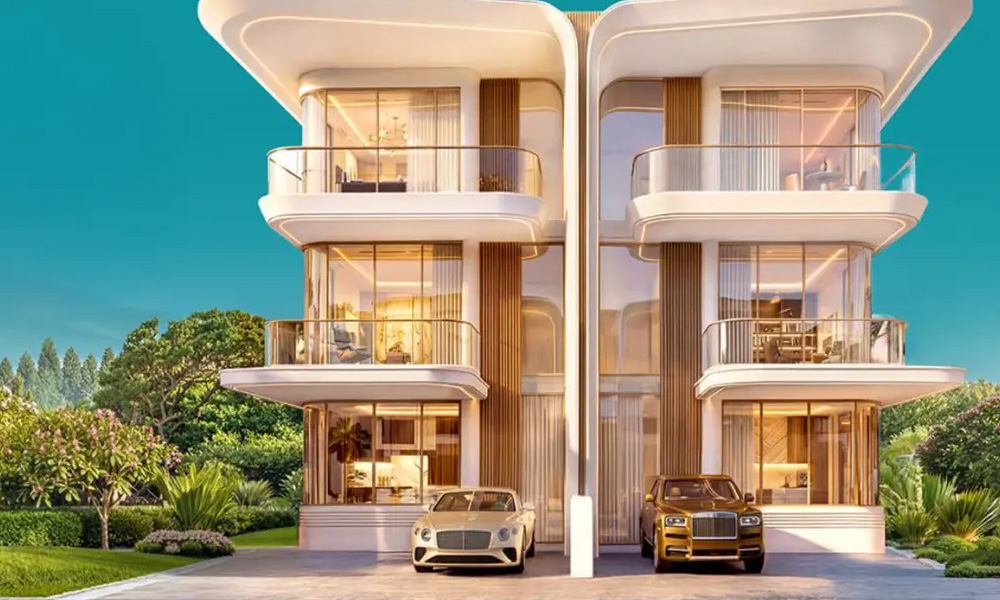
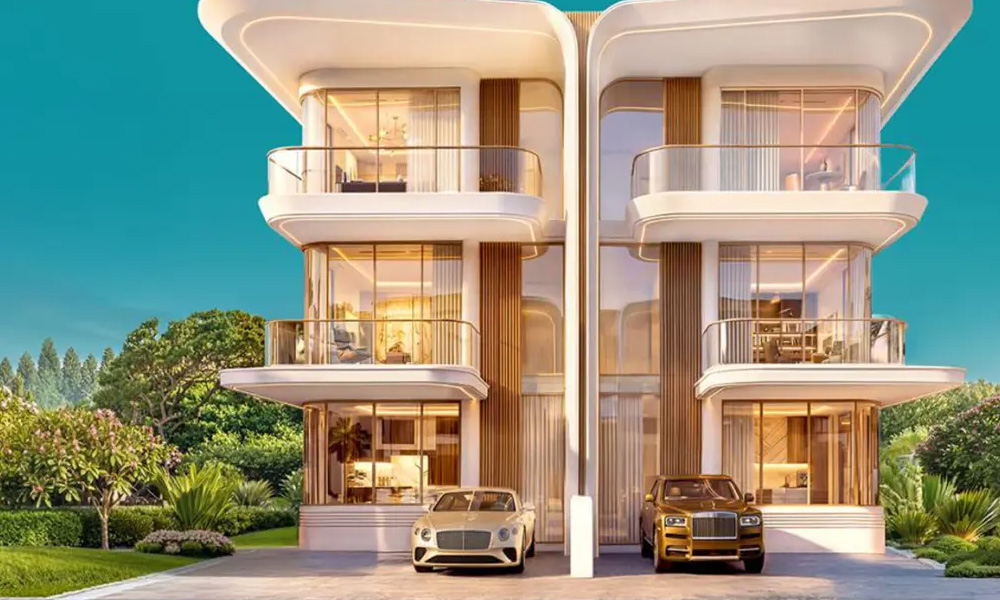
Developer Danube Properties has launched Greenz By Danube, which is billed as the developer’s first large-scale integrated community.

The project will feature premium townhouses and villas, marking a major milestone in its expansion into master-planned developments, the developer said.

Rizwan Sajan, Founder and Chairman of Danube Group said, “Greenz by Danube sets new benchmark for premium master communities – a first-of-its-kind living experience in Dubai. Designed with low-density planning, it ensures prime location and high appreciation guarantee. With 50+ luxury amenities and fully furnished, designer-curated interiors with Dolce Vita, every detail reflects elegance and distinction. Greenz is not just a community – it is a luxury lifestyle experience of a lifetime.”

Located in Dubai International Academic City, near Dubai Silicon Oasis, Greenz sits within one of Dubai’s most promising future growth corridors. The area is home to over 100,000 residents and will benefit from the upcoming District IO, a major technology hub aligned with the vision of His Highness Sheikh Mohammed bin Rashid Al Maktoum, the developer said in a statement.

Featuring villas and townhouses with exclusive sky gardens, Greenz By Danube’s completion is expected in 36 to 40 months with handover scheduled for Q4 2029. The development will offer 3- and 4-bedroom townhouses, 5-bedroom semi-detached villas, and 5-bedroom twin villas, catering to both families and investors, it added.

The developer said that connectivity is a key highlight, with Emirates Road just 2 minutes away, Sheikh Mohammed Bin Zayed Road within 6 minutes, Downtown Dubai and Burj Khalifa 20 minutes away, and Dubai International Airport reachable in 17 minutes. The upcoming Blue Line Metro is expected to further enhance accessibility and long-term value.

Focused on lifestyle and wellness, Greenz will feature 50+ amenities across 5 hubs, including beach-inspired spaces, sports courts, fitness and recovery zones, green areas, and family spaces.

The post Danube Properties launches Greenz By Danube appeared first on Middle East Construction News.

Source: ME Construction News


Al-Bustan-tourism-complex-1.jpg

April 2, 2026 foasummit0

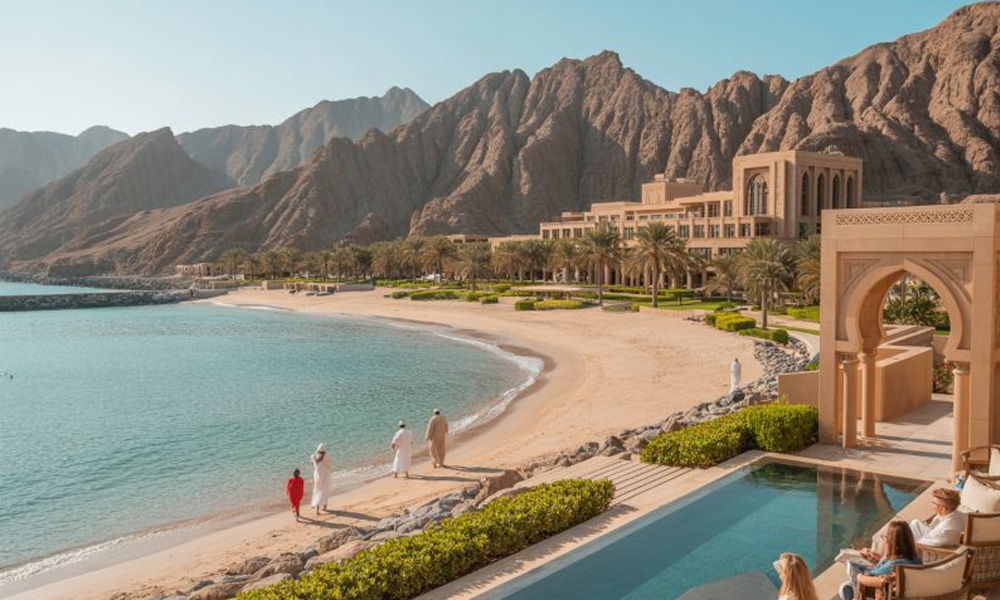
Oman’s Ministry of Heritage and Tourism has signed an agreement with Oman Tourism Development Company (Omran Group) to develop an integrated tourism complex in the Al Bustan area of Muscat, with an investment of US $390mn.

 The agreement was signed by Sayyid Al Busaidi, Minister of Heritage and Tourism, and Ayad Al Balushi, CEO of Omran Group, marking a key step in advancing Oman’s tourism infrastructure. Spanning 138,000sqm, the project is expected to be completed within 4-years, according to Oman News Agency.

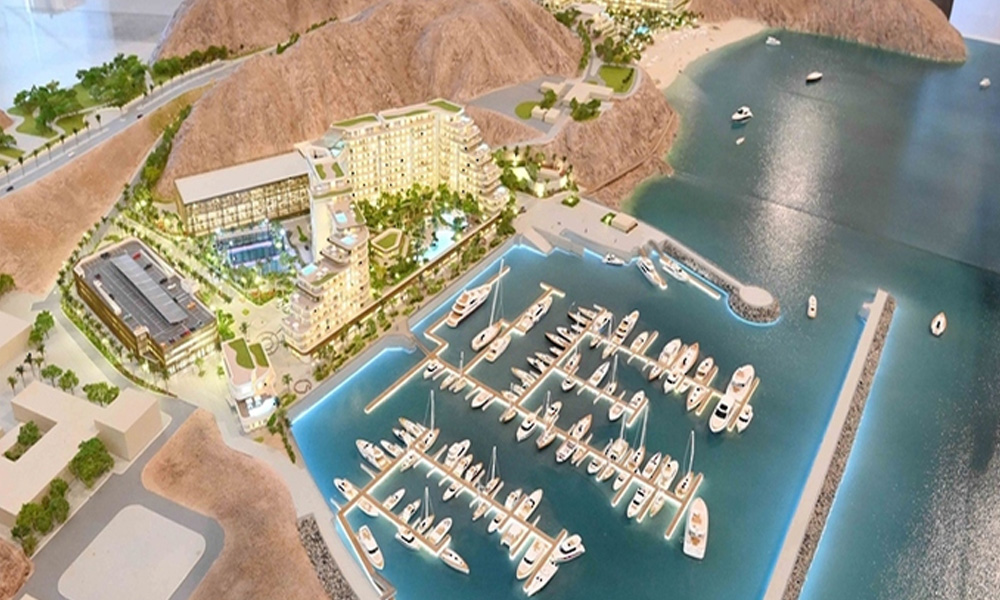
The minister highlighted the strategic importance of the development, noting its central location within the Muscat Governorate and its role in strengthening the region’s tourism offering. He added that the project has been designed in harmony with Muscat’s mountainous terrain, with a marina set to become a defining feature that will support yacht tourism.

Planned as a fully integrated destination, the development will be operated by Four Seasons. It will include a 200 room luxury hotel, 91 branded freehold residential units, a marina and yacht club, as well as a selection of restaurants, retail outlets, and service facilities supported by advanced infrastructure.

The agreement underscores the ministry’s commitment to enhancing tourism sector infrastructure, boosting in-country value (ICV), and creating employment opportunities for Omani nationals, in line with the goals of Oman Vision 2040.

The post Oman awards US $390mn contract for Al Bustan integrated tourism destination appeared first on Middle East Construction News.

Source: ME Construction News

Mohamed-Alabbar-1.jpg

April 2, 2026 foasummit0

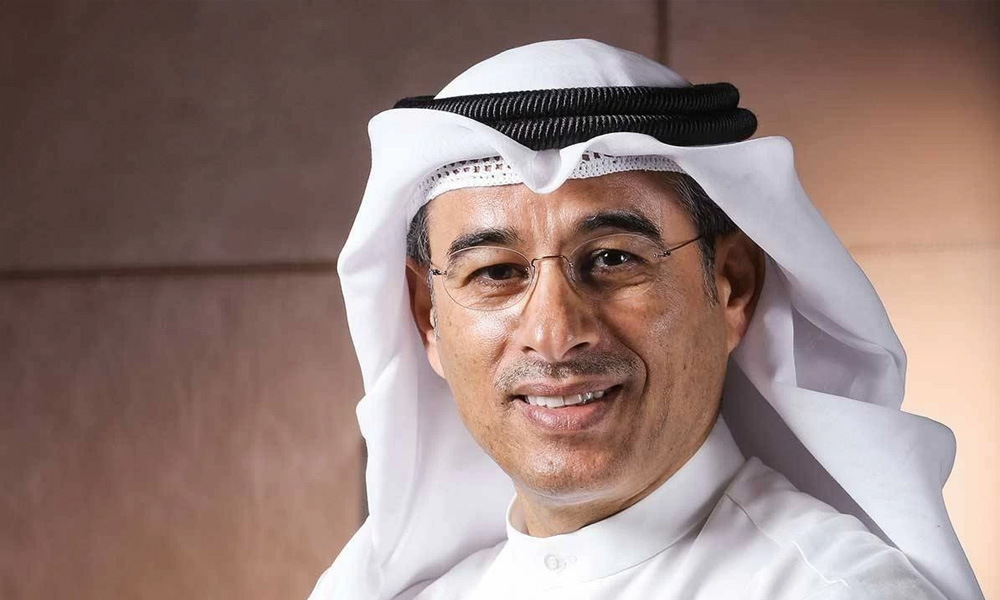
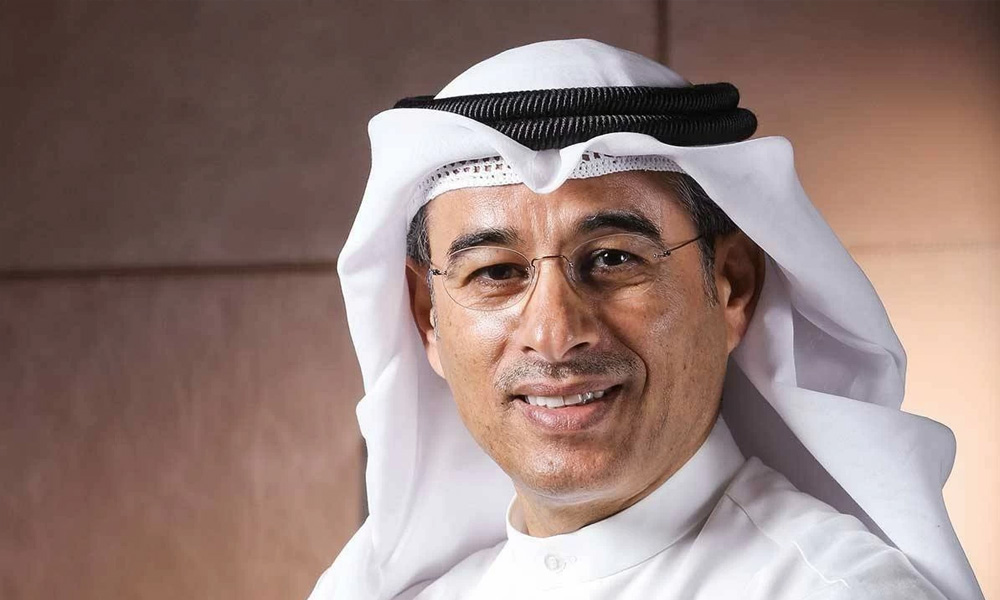
Mohamed Alabbar, the Managing Director of Emaar Properties, stated that the real estate market remains in good condition, noting that property values continue to hold steady.

In statements to Sky News Arabia, Alabbar emphasised that the value flows into the real estate sector are ongoing, and despite a dip in share prices, the stock has proven its resilience and high demand.

He added that cash flows for real estate companies – including installment payments from off-plan buyers and the settlement of dues to contractors and banks – remain in a healthy and positive state. Alabbar explained that while real estate firms are closely monitoring these figures, which have shifted from 100% to approximately 85% at present, well-established institutions possess the capacity to cover the 15% gap following years of robust and positive performance.

Alabbar pointed out that Dubai Mall used to receive 250,000 visitors daily, and around 200,000 during Ramadan. Under current conditions, the number stands at about 180,000 visitors, figures which he believes prove the situation remains stable.

Furthermore, Alabbar noted a temporary impact on tourism, stating that being affected by events for a period of time or several months is natural, as the core foundations of the economy and institutional building are designed for the long-term and can withstand shocks. He highlighted that the return to a normal and positive state is always swift in the UAE, and its reputation remains unchanged.

He concluded by stating that the UAE enjoys a powerful economy capable of adapting to crises, noting that the current situation has proven that safety and security are constant fixtures. Alabbar expressed his expectation for an even stronger momentum once the crisis – which he hopes will end soon -concludes.

The post Alabbar signals real estate market stability and strong demand appeared first on Middle East Construction News.

Source: ME Construction News


Nick-Witty-1.jpg

April 2, 2026 foasummit0

Dubai-based real estate advisory firm Cavendish Maxwell has announced a strategic partnership with International Real Estate Partners (IREP), a global integrated facilities management and asset operations company, to better align asset strategy with on-the-ground execution throughout the lifecycle of built assets.

The collaboration combines Cavendish Maxwell’s strengths in property valuation, building consultancy and development advisory with IREP’s expertise in facilities management, operational performance and asset optimisation. Together, the two firms aim to strengthen their roles as trusted advisors for organisations seeking to connect strategic planning, governance and operational delivery.

Through the partnership, both companies will offer coordinated advisory and operational services to asset owners, government entities, master developers and institutional investors, supporting sustainable, long-term asset performance. The move addresses a growing challenge among large-scale asset owners, where fragmented delivery models often separate advisory, project execution and operations.

By creating a more integrated framework, the partnership seeks to better align strategic decisions with operational outcomes, helping clients minimise risk, improve efficiency and enhance long-term asset value.

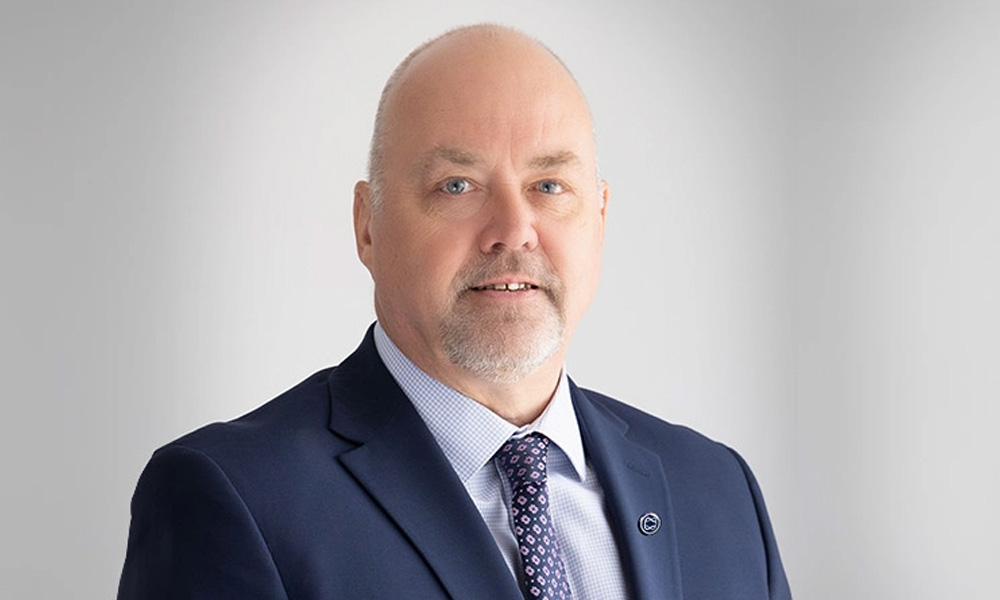
Nick Witty, Group Chief Executive Officer, Cavendish Maxwell said, “With demand for integrated, lifecycle-driven asset strategies on the increase, we are delighted to join forces with IREP as part of our continued growth strategy and commitment to further enhancing the services we provide to customers.”

“Today’s complex portfolios need alignment across the entire asset lifecycle. By integrating operational considerations into early-stage advisory and development planning enables, we enable our clients to make better-informed decisions – with greater confidence – knowing that operational realities are embedded from the outset,” he added.

Kenny McCrae, Chairman & CEO, IREP said, “Too often, asset strategies are developed in isolation from the realities of day-to-day operations. This partnership is about changing that. By bringing together Cavendish Maxwell’s advisory expertise with IREP’s operational experience, we are creating a partnership that ensures strategic decisions translate into measurable performance on the ground. Our goal is simple: to help asset owners make decisions that not only look right on paper but deliver long-term value in practice.”

Initially, the partnership will focus on supporting government entities, master developers, institutional investors and large portfolio owners across the Middle East and Africa, particularly those managing complex or multi-asset portfolios.

Clients are expected to benefit from integrated advisory and operational planning, smoother transitions from development to operations, improved transparency in asset performance and governance, and long-term optimisation strategies aimed at protecting and enhancing asset value.

The post Cavendish Maxwell enters partnership with IREP to enhance asset performance appeared first on Middle East Construction News.

Source: ME Construction News